
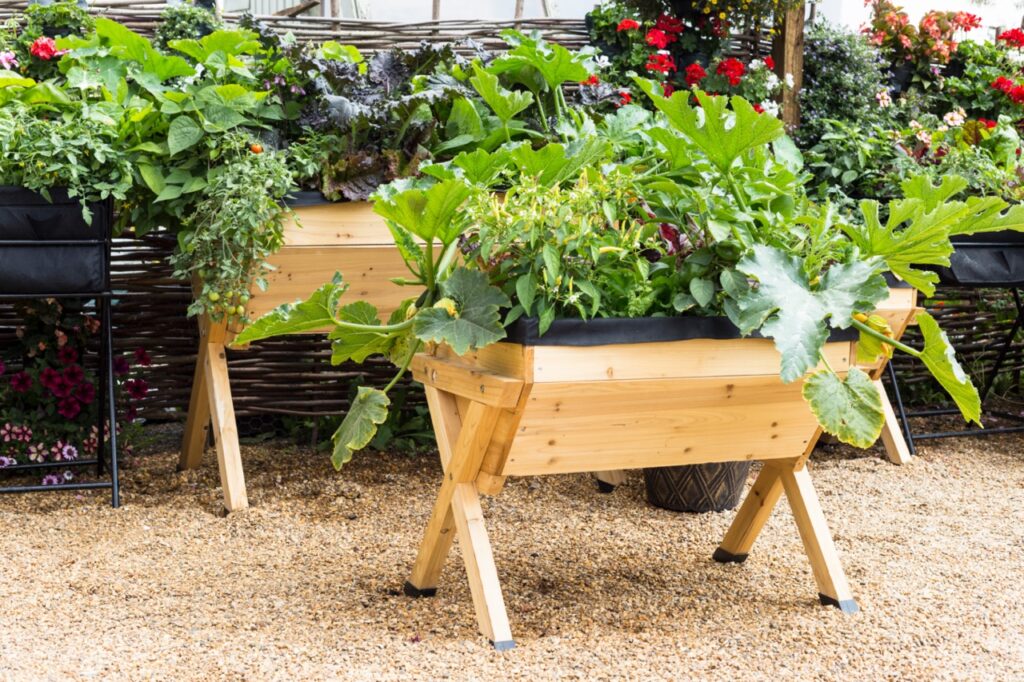
Container gardening is perfect for beginners and ideal for small spaces like balconies, patios, and windowsills. Whether you’re growing herbs, veggies, or flowers, container gardening lets you enjoy fresh, home-grown plants with minimal space. Here’s a beginner-friendly guide to getting started with container gardening in the UK.
1. Choose the Right Containers
The type and size of containers are important for plant health and growth.
- Size: The larger the container, the more room roots have to grow. Herbs and small veggies can grow in 15-20cm pots, while tomatoes and courgettes need pots at least 30cm deep.
- Material: Clay, plastic, and fabric pots each have pros and cons. Clay pots look natural but dry out quickly, plastic holds moisture but heats up in direct sunlight, and fabric pots have excellent drainage.
- Drainage: Make sure every pot has drainage holes to prevent waterlogging. For extra drainage, line the bottom with small stones or broken pottery pieces.
2. Choose Easy, Container-Friendly Plants
Some plants thrive better in containers than others. Start with these easy, beginner-friendly options:
- Herbs: Basil, mint, parsley, and chives are perfect for small pots and grow quickly.
- Leafy Greens: Lettuce, rocket, and spinach are great choices for shallow containers and grow well in cooler UK weather.
- Root Vegetables: Radishes and carrots do well in deep containers.
- Tomatoes: Cherry or dwarf varieties work well in pots and produce a steady supply of fruit.
- Flowers: Marigolds, pansies, and nasturtiums add colour and are also edible!
3. Use Quality Potting Soil
A good potting mix is essential for container gardening. Regular garden soil is often too heavy and can compact in containers, so use a light, well-draining potting compost.
- Enriched Potting Compost: Look for potting compost enriched with slow-release fertiliser for easy feeding.
- Moisture-Retaining Additives: Adding perlite or vermiculite can improve drainage and help retain moisture.
4. Water Consistently and Carefully
Containers dry out faster than garden beds, so regular watering is essential.
- Frequency: Water when the top inch of soil feels dry, usually every 1-2 days in warm weather. In cooler seasons, adjust frequency as needed.
- Watering Tips: Water in the morning or evening to reduce evaporation, and water at the base of plants to avoid wetting leaves, which can lead to mildew.
5. Feed Your Plants
Plants in containers need extra nutrients, as nutrients in potting compost get used up over time.
- Liquid Fertiliser: Use an all-purpose liquid fertiliser every 2-4 weeks for most plants. Herbs need less fertiliser, while flowering plants and veggies benefit from regular feeding.
- Organic Options: Seaweed extract or compost tea are great natural fertilisers that provide essential nutrients.
6. Place Your Containers Wisely
Choose a location with the right amount of light for your plants’ needs.
- Sun-Loving Plants: Tomatoes, basil, and peppers prefer full sun (6+ hours per day). Place them in south-facing areas if possible.
- Partial Shade: Leafy greens, mint, and some flowers (like pansies) do well in partial shade (3-4 hours of sun).
- Indoors: Herbs like basil and parsley grow well on a sunny windowsill if outdoor space is limited.
7. Prune and Harvest Regularly
Regular pruning encourages bushier growth and prolongs harvests for many plants.
- Pruning Tips: For herbs, pinch off the top leaves to encourage new growth and prevent flowering. For veggies, prune dead or damaged leaves to keep plants healthy.
- Harvesting: Harvest greens and herbs regularly to keep plants productive, and pick vegetables when ripe for the best flavour.
8. Rotate Plants Seasonally
Rotate plants based on the season to keep your container garden productive all year.
- Spring/Summer: Grow sun-loving herbs, tomatoes, and summer flowers.
- Autumn/Winter: Swap out summer plants for cool-weather crops like spinach, kale, and chard, which can withstand the UK’s mild winters.
9. Pest Control for Containers
While container gardens are easier to manage, pests can still be an issue.
- Natural Solutions: Use neem oil, garlic spray, or a mix of water and mild dish soap as a natural pest deterrent.
- Companion Planting: Grow pest-repelling plants like marigolds, nasturtiums, or lavender alongside vulnerable crops to keep pests at bay.
10. Experiment and Have Fun!
Container gardening is versatile, allowing you to experiment with different plant combinations, colours, and container types. Try stacking pots, adding hanging baskets, or arranging containers for visual interest.
With container gardening, you’ll enjoy fresh, home-grown plants wherever you have a bit of space, from window ledges to garden patios. Happy planting! 🌿