
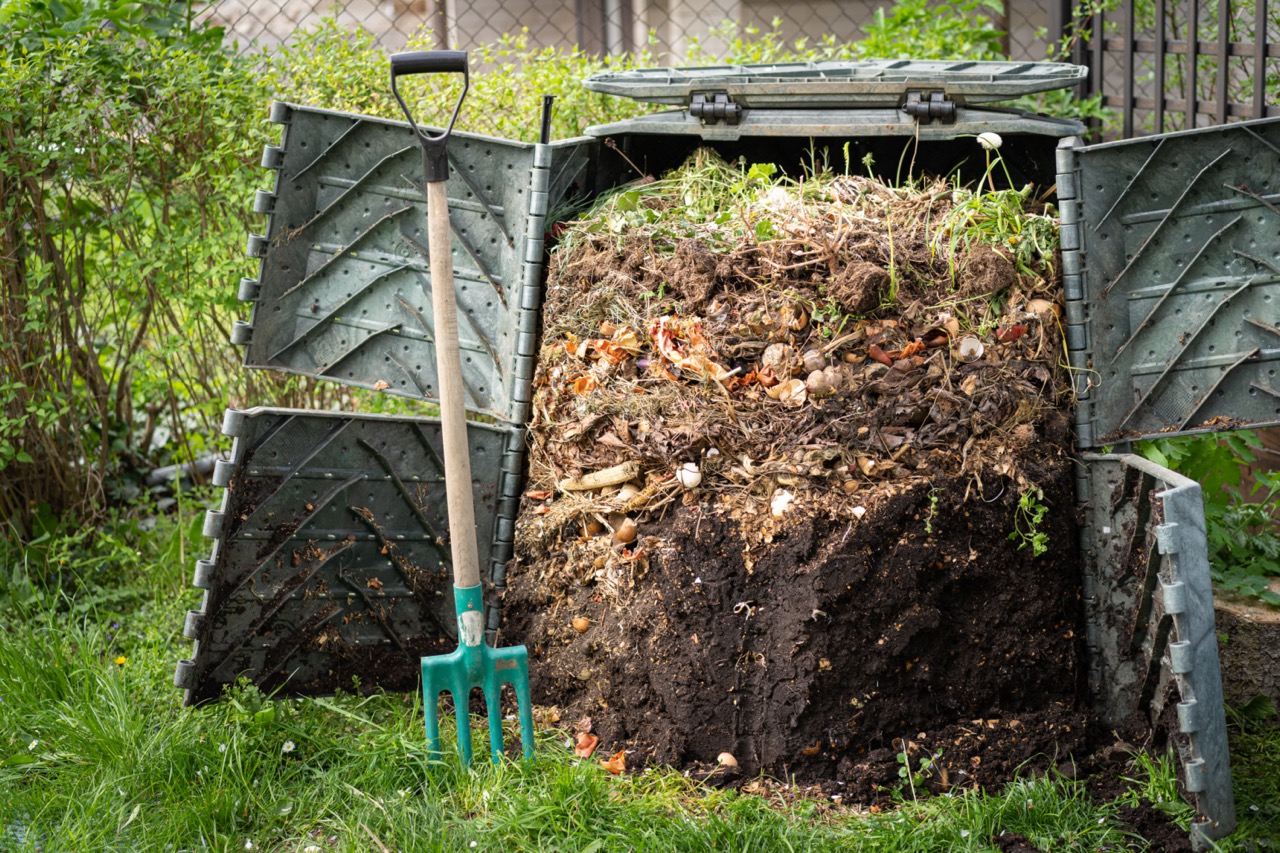
Composting is a simple process, but sometimes things can go wrong. From bad smells to slow decomposition, common issues can be fixed with a few adjustments. Here’s how to troubleshoot your compost pile and keep it healthy and productive.
1. Smelly Compost
Bad smells are usually a sign of too much moisture, lack of aeration, or an imbalance of “greens” and “browns.”
- Cause: Too many wet, nitrogen-rich “greens” (like kitchen scraps) or lack of airflow.
- Solution:
- Add more “browns” (like shredded paper, cardboard, or dry leaves) to absorb moisture.
- Turn the pile every 1–2 weeks to improve airflow.
- Avoid overloading with high-moisture items like fruit peels and add them in moderation.
Tip: A well-maintained compost should smell earthy, not rotten.
2. Compost is Too Dry
If your compost looks dry and nothing seems to be breaking down, it likely needs more moisture.
- Cause: Lack of moisture, often from too many dry “browns” or hot weather.
- Solution:
- Add water gradually, mixing it in until the compost feels like a damp sponge.
- Incorporate more “greens” like fresh vegetable scraps or grass clippings to boost moisture.
- Cover with a tarp to retain moisture in hot or windy weather.
Tip: Check moisture regularly to keep the balance just right.
3. Compost is Too Wet
A waterlogged compost pile can become slimy, compacted, and slow to decompose.
- Cause: Too many “greens” or heavy rain without drainage.
- Solution:
- Add “browns” like shredded cardboard or dry leaves to absorb excess moisture.
- Turn the pile to allow water to evaporate and increase airflow.
- If you’re using a closed bin, make sure it has drainage holes.
Tip: Keep your compost covered in rainy weather to avoid oversaturation.
4. Compost is Taking Too Long to Break Down
Slow decomposition is often due to lack of air, moisture, or an imbalance of materials.
- Cause: Poor aeration, low moisture, or not enough “greens” to kick-start decomposition.
- Solution:
- Turn the compost pile more frequently to add oxygen.
- Moisten the pile if it’s dry, aiming for that damp sponge consistency.
- Add a mix of nitrogen-rich materials (like coffee grounds or veggie scraps) to speed things up.
Tip: Chopping or shredding materials into smaller pieces helps them break down faster.
5. Fruit Flies and Pests
Fruit flies, rodents, or other pests can be attracted to uncovered food scraps.
- Cause: Exposed kitchen scraps, especially fruit, attract flies and pests.
- Solution:
- Always bury food scraps under a layer of “browns” or compost.
- Avoid adding meat, dairy, and oily foods, which attract larger pests.
- Cover your bin with a lid or mesh to keep larger pests out.
Tip: Adding a thin layer of soil or finished compost on top can help deter flies.
6. Compost is Too Hot
While a warm compost is normal, temperatures that are too high can kill beneficial microbes and worms.
- Cause: Excessive “greens” or too large a pile can cause overheating.
- Solution:
- Turn the pile to release heat and add airflow.
- Mix in more “browns” to balance the temperature.
- Break the compost into smaller sections if it’s a large pile.
Tip: For optimal decomposition, aim to keep your compost at 40-60°C (104-140°F).
7. Worms or Microbes Seem to be Dying Off
If you’re using a worm bin, it’s crucial to keep conditions suitable for worms. Excess moisture, extreme temperatures, or lack of food can harm them.
- Cause: Incorrect pH, too much moisture, or extreme temperatures.
- Solution:
- Add crushed eggshells or a small amount of lime if the bin seems acidic.
- Adjust moisture, adding dry “browns” if the bin is too wet or misting with water if too dry.
- Keep the bin in a stable temperature range (15-25°C or 59-77°F).
Tip: Worms prefer neutral conditions, so avoid excessive acidic foods like citrus.
8. Materials Aren’t Mixing Well
If your compost pile is layered in clumps, it may slow decomposition and lead to anaerobic pockets (areas without oxygen).
- Cause: Large chunks or thick layers of single materials.
- Solution:
- Break up any clumps and mix layers more evenly for better airflow.
- Chop or shred larger items (like corn cobs or thick stalks) before adding.
- Turn the pile regularly to keep materials well-blended.
Tip: Smaller, mixed materials decompose faster and more consistently.
9. Finished Compost Has a Chunky Texture
If your finished compost still has large, undecomposed pieces, it may not be fully ready for use.
- Cause: Larger items or insufficient time to break down.
- Solution:
- Screen the compost through a mesh or sieve to remove large pieces.
- Return the larger bits to the compost pile for further breakdown.
- Allow the rest of the compost to sit and finish curing if it’s too chunky.
Tip: Patience is key. Compost becomes richer the longer it breaks down.
By keeping these tips handy, you’ll be ready to tackle any composting issue, transforming your pile into rich, healthy compost with ease. Happy composting! 🌍🌿