
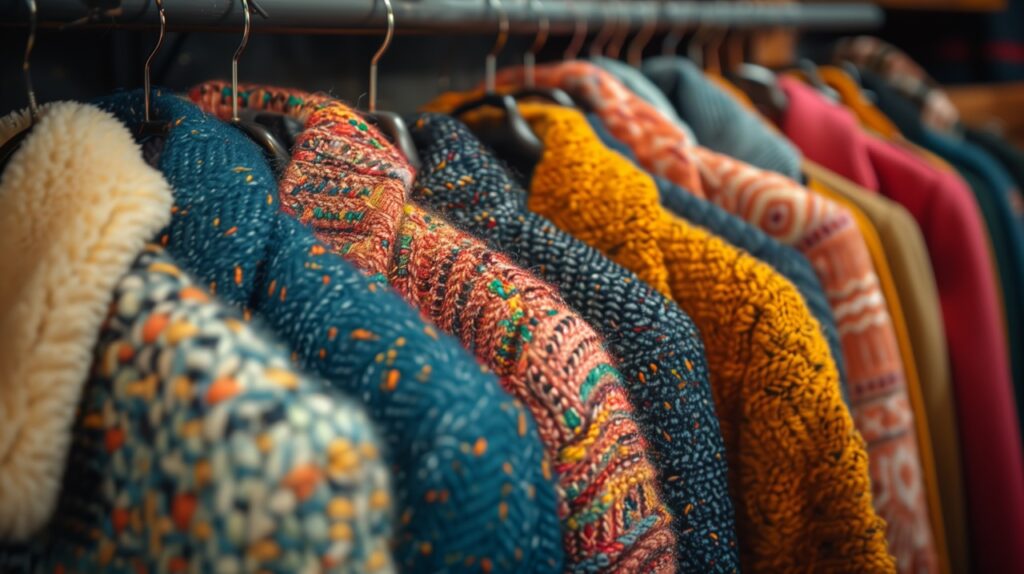
Thrift shopping is a fantastic way to build a unique wardrobe, save money, and reduce waste—all while supporting charities and local businesses. With a bit of strategy and patience, you can uncover hidden gems in UK charity shops, vintage stores, and second-hand markets. Here’s how to make the most of your thrifting trips!
1. Research Your Local Charity Shops
Each charity shop has its own vibe and selection based on location and donations, so it’s worth exploring different areas.
Tip: Charity shops in affluent areas may have high-quality or designer items, while those in quirky neighbourhoods can be full of unique finds. Popular UK charities with great shops include Oxfam, British Heart Foundation, Sue Ryder, and Cancer Research UK.
2. Explore Vintage Markets and Pop-Ups
Beyond charity shops, the UK has fantastic vintage markets, fairs, and pop-up shops where you can find high-quality, unique pieces.
Tip: Check out popular spots like London’s Brick Lane Market, Manchester’s Afflecks, and Edinburgh’s Armstrongs. Keep an eye out for pop-up vintage fairs in your area, especially around university towns.
3. Know the Best Days to Shop
Many charity shops refresh their stock regularly, with peak restocking often happening on certain days.
Tip: Try visiting on weekdays, especially mid-morning on Tuesdays or Wednesdays when new items have been put out, but the weekend crowds haven’t hit yet.
4. Check for Quality and Condition
Thrifted items can vary in quality, so take a moment to examine each piece.
Tip: Check for stains, tears, or missing buttons. A small repairable flaw can still be worth it, but avoid items with serious damage. Look for durable, natural fabrics like cotton, wool, or linen, which tend to last longer.
5. Try Different Sizes and Fit
Sizing can vary, especially with vintage or pre-loved clothing, so don’t stick rigidly to your usual size.
Tip: Bring a tape measure or use in-shop measuring tools, as sizing labels can be inconsistent. Try on items if possible, or at least hold them up to gauge fit. Oversized pieces can also be tailored or styled creatively.
6. Go with an Open Mind
Thrift shopping is all about serendipity, so be open to unexpected finds rather than hunting for a specific item.
Tip: Head to thrift shops with a general idea of what you need (e.g., “a warm jumper” or “unique accessories”) and let yourself be inspired by what you find. Some of the best pieces are ones you wouldn’t have thought to look for!
7. Bring Cash and Reusable Bags
Some charity shops may not accept card payments, especially smaller ones, so bringing cash can make checkout easier.
Tip: Reusable bags are a must for sustainable shopping and convenient for carrying home your new finds, especially if you’re visiting multiple shops.
8. Think About Alterations
Found something that’s nearly perfect but needs a minor adjustment? Alterations can make thrifted pieces feel tailor-made.
Tip: Simple fixes, like hemming trousers or taking in a waist, can transform an item’s fit. Many tailors or dry cleaners offer alterations, and some charity shops even partner with local seamstresses.
9. Follow UK-Based Second-Hand Apps
There are great UK-based apps and websites for second-hand finds if you’re short on time or want to expand your search online.
Tip: Platforms like Depop, Vinted, and eBay UK offer a wide selection, including branded items. Local Facebook Marketplace groups can also be a goldmine for second-hand clothing in good condition.
10. Don’t Forget Accessories and Homewares
Thrift shops are full of more than just clothes! Accessories and homeware items are often overlooked treasures.
Tip: Check out scarves, hats, belts, and even bags for a stylish update to your look. Many UK charity shops also offer vintage homewares like crockery, mirrors, and picture frames that add character to your space.
With these tips, you’ll be thrifting like a pro and uncovering hidden gems that fit your style, budget, and sustainability goals. Enjoy the thrill of the hunt, and let every piece tell a story! 🌍👖