
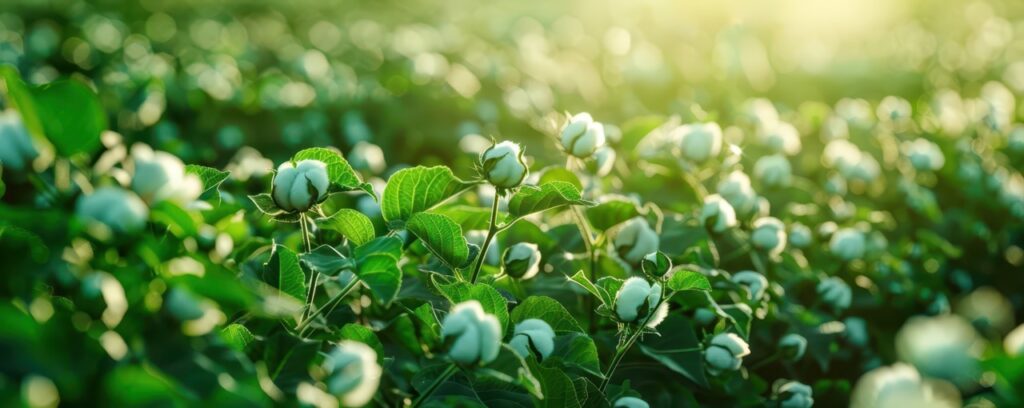
Choosing eco-friendly fabrics is one of the best ways to make your wardrobe more sustainable. By opting for materials that are gentle on the planet, you support lower-impact production processes, reduce waste, and help conserve natural resources. Here’s a guide to some of the most sustainable fabric choices for a stylish and eco-conscious wardrobe.
1. Organic Cotton
Unlike conventional cotton, organic cotton is grown without harmful pesticides and synthetic fertilisers, using less water and promoting healthier soil.
- Benefits: Soft, breathable, and biodegradable
- Look for: Certified organic labels like GOTS (Global Organic Textile Standard)
2. Linen
Made from the flax plant, linen requires very little water, pesticides, or fertilisers to grow. It’s durable, breathable, and naturally antibacterial.
- Benefits: Long-lasting, highly breathable, and biodegradable
- Look for: Undyed or naturally dyed linen for minimal environmental impact
3. Hemp
Hemp grows quickly, with minimal water and no need for pesticides. It enriches the soil and can be blended with other fibres for a soft, durable fabric.
- Benefits: Strong, durable, and biodegradable; softens with each wash
- Look for: 100% hemp or organic hemp blends
4. Tencel (Lyocell)
Tencel is derived from sustainably harvested wood pulp, typically from eucalyptus trees. It’s produced in a closed-loop system, where 99% of solvents are reused, making it an eco-friendly option.
- Benefits: Silky, breathable, and biodegradable; absorbs moisture well
- Look for: Tencel with FSC (Forest Stewardship Council) certification
5. Recycled Cotton
Recycled cotton is made from cotton waste, like textile scraps or old clothing, reducing the demand for new cotton production and diverting waste from landfills.
- Benefits: Reduces waste, less resource-intensive than virgin cotton
- Look for: Blends with other sustainable fibres, as recycled cotton can be less durable on its own
6. Bamboo (Processed Sustainably)
When processed mechanically rather than chemically, bamboo can be an eco-friendly fabric. Mechanically processed bamboo, also called bamboo linen, is durable and soft.
- Benefits: Fast-growing, biodegradable, naturally antibacterial
- Look for: Bamboo linen, or “mechanically processed” bamboo, as chemically processed bamboo (bamboo viscose) can be more polluting
7. Recycled Polyester
Made from recycled plastic bottles or textile waste, recycled polyester helps reduce the demand for new petroleum-based polyester, saving energy and reducing plastic waste.
- Benefits: Durable, versatile, quick-drying, and wrinkle-resistant
- Look for: Blends with natural fibres and avoid over-washing to prevent microplastic shedding
8. Cork Fabric
Cork is harvested from the bark of cork oak trees, which naturally regenerates, allowing for a renewable and eco-friendly fabric. Often used for accessories, cork is durable and water-resistant.
- Benefits: Renewable, biodegradable, durable, water-resistant
- Look for: 100% natural cork fabric without added synthetic coatings
9. Wool (Ethically Sourced)
When sourced from well-treated sheep raised sustainably, wool is a renewable, natural fabric that’s warm, biodegradable, and durable.
- Benefits: Breathable, insulating, naturally antibacterial, biodegradable
- Look for: Certifications like Responsible Wool Standard (RWS) or ZQ Merino for ethically sourced wool
10. Piñatex (Pineapple Leather)
Made from pineapple leaf fibres, Piñatex is a sustainable alternative to leather. It utilises agricultural waste and requires no additional land or water resources.
- Benefits: Animal-free, biodegradable, durable
- Look for: Certified Piñatex to ensure quality and sustainability
By choosing eco-friendly fabrics, you’ll build a wardrobe that’s gentle on the planet without sacrificing style. Each material offers its own benefits, so you can find the perfect match for your needs while supporting a more sustainable future. 🌍👗