
Why toss veggie scraps when you can use them to grow fresh produce right at home? Regrowing vegetables from scraps is an easy, sustainable way to keep your kitchen stocked with fresh ingredients while reducing food waste. Here’s how to turn common scraps into a new supply of delicious veggies.
1. Spring Onions & Leeks
Spring onions and leeks are some of the easiest veggies to regrow and require only a glass of water.
How-To:
- Place the white roots in a glass with an inch of water.
- Set the glass on a sunny windowsill.
- Change the water every few days. Within a week, you’ll see green shoots growing!
2. Celery
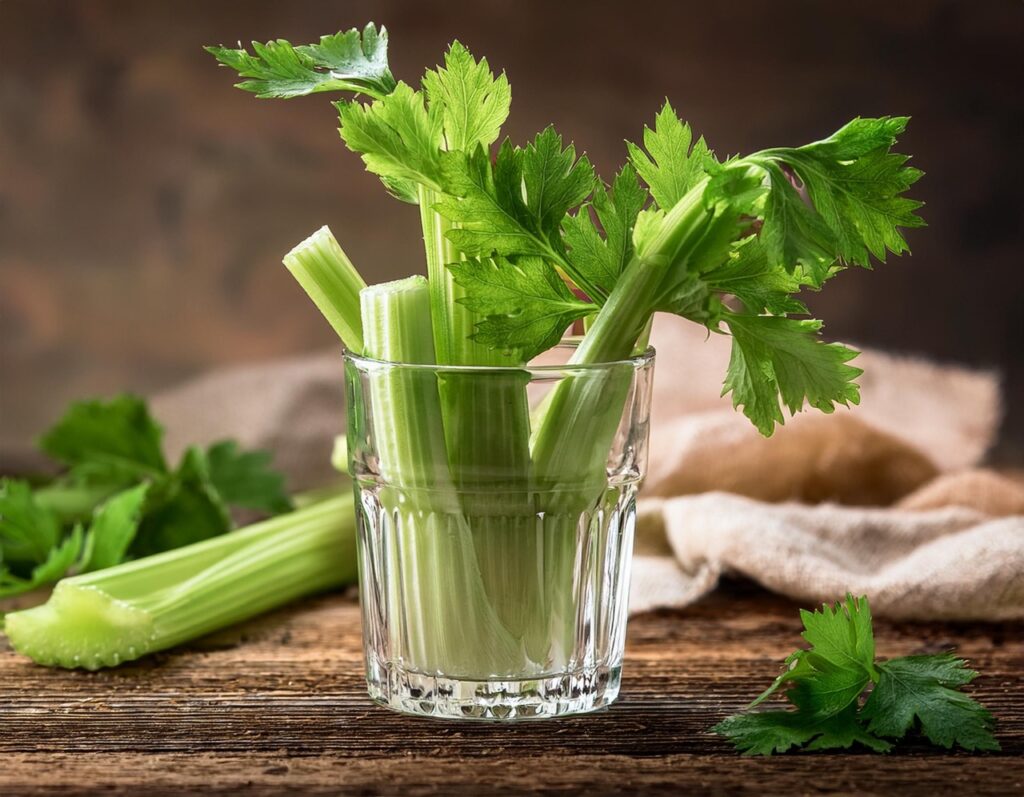
Celery regenerates easily and can eventually be transferred to soil.
How-To:
- Place the base of the celery stalk in a shallow bowl of water, cut side up.
- Keep it on a sunny windowsill, changing the water every couple of days.
- After 1-2 weeks, new leaves and small roots will start to grow. Transplant to a pot or garden bed once roots are established.
3. Lettuce & Cabbage
Lettuce and cabbage can grow fresh leaves from their bases.
How-To:
- Place the base in a shallow bowl with a bit of water.
- Keep it on a sunny windowsill and change the water every few days.
- After a week, new leaves will start to grow. You can continue to harvest these as they regrow.
4. Carrot Tops
While you can’t regrow full carrots, carrot tops make lovely greens for salads or garnishes.
How-To:
- Place the carrot tops in a shallow dish with water.
- Keep on a sunny windowsill and change the water every couple of days.
- Once greens appear, harvest them for salads, pestos, or garnishes.
5. Garlic
Single garlic cloves can grow into full bulbs over time.
How-To:
- Plant a single garlic clove (root end down) in a small pot with soil.
- Place the pot in a sunny location and keep the soil moist.
- Shoots will start to grow, and after a few months, you can harvest fresh garlic bulbs.
6. Ginger
Ginger can be regrown from a small piece of fresh root, though it takes some patience.
How-To:
- Soak a ginger root overnight in water.
- Plant it in soil with the buds facing up and keep in a warm, sunny spot.
- Water regularly, and within a few weeks, you’ll see new shoots. Ginger can be harvested in about 8-10 months.
7. Basil, Mint, and Other Herbs
Fresh herbs can grow roots in water and be transferred to soil to keep them going.
How-To:
- Place a sprig of basil or mint in a glass of water, ensuring no leaves are submerged.
- Leave on a sunny windowsill and change the water every few days.
- Once roots appear (usually in a week or two), plant in soil to grow a full herb plant.
8. Potatoes
You can grow new potatoes from old potatoes that have sprouted “eyes.”
How-To:
- Cut the sprouting potato into chunks, each with at least one or two “eyes.”
- Let the pieces dry out for a day, then plant them about 10cm deep in soil.
- Water well, and within a few weeks, shoots will emerge. Harvest once the plant flowers and begins to wilt.
9. Sweet Potatoes
Sweet potato slips (sprouts) can grow into full plants with little effort.
How-To:
- Place half a sweet potato in water, with the top sticking out.
- When slips form on the top, gently twist them off and place them in water to grow roots.
- Plant the rooted slips in soil, and they’ll eventually grow into a new plant.
10. Peppers
Pepper seeds from fresh peppers can be planted for a homegrown supply.
How-To:
- Remove and dry the seeds from a fresh pepper.
- Plant them in soil and keep in a sunny spot.
- Water consistently, and after a few weeks, seedlings will appear. With enough sunlight, these will grow into full plants.
With these regrowing tips, you’ll have a fresh supply of greens and veggies from scraps you’d otherwise throw away. It’s a simple, sustainable way to enjoy fresh produce while reducing waste. Happy growing! 🌿🥕