
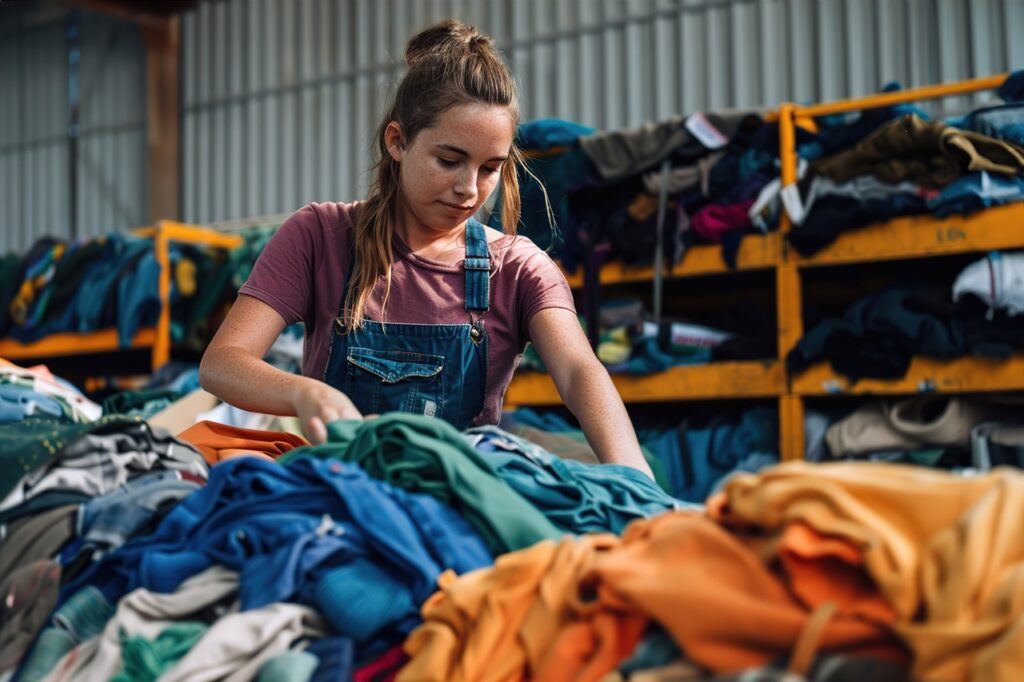
In today’s world of ever-changing trends, understanding the difference between fast and slow fashion can help us make more sustainable choices. Here’s a look at the two approaches, their impact on the planet, and how choosing slow fashion can create a wardrobe that’s both stylish and sustainable.
What is Fast Fashion
Fast fashion refers to the mass production of inexpensive, trendy clothing designed to meet the latest trends quickly. Here’s what defines it:
- Low Cost, Low Quality: Fast fashion relies on cheap materials and labour to produce clothing at minimal cost. These items are often not designed to last, which leads to frequent wear-and-tear.
- High Turnover: Fast fashion brands introduce new collections weekly or even daily, creating a sense of urgency to buy before styles go “out.”
- Environmental Impact: The demand for constant newness has a high environmental cost. Fast fashion contributes to pollution, excessive water use, and significant waste due to discarded clothes.
- Human Impact: Many fast fashion garments are produced in factories with poor working conditions, low wages, and lack of safety for workers.
What is Slow Fashion?
Slow fashion is a movement that focuses on thoughtful production, quality, and sustainability. Here’s how it differs from fast fashion:
- Quality Over Quantity: Slow fashion values well-made, timeless pieces that are built to last. It focuses on natural, durable materials and craftsmanship.
- Sustainable Production: Slow fashion brands typically produce smaller collections, often using eco-friendly methods that reduce water and chemical use and minimise waste.
- Ethical Practices: Slow fashion brands are more likely to prioritise fair wages, safe working conditions, and ethical practices in their supply chain.
- Mindful Consumption: The slow fashion movement encourages people to buy less, choose pieces that match their style, and invest in clothing that will last, leading to a more conscious approach to dressing.
Key Differences Between Fast Fashion and Slow Fashion
| Feature | Fast Fashion | Slow Fashion |
|---|---|---|
| Production Speed | Rapid, with new trends daily/weekly | Thoughtful, seasonal or limited collections |
| Quality & Durability | Low quality, short lifespan | High quality, designed to last |
| Materials | Synthetic, cheap, often non-biodegradable | Natural, eco-friendly, biodegradable |
| Environmental Impact | High, with heavy pollution and waste | Low, with sustainable practices |
| Cost | Low upfront cost, high replacement cost | Higher upfront cost, low replacement cost |
| Ethical Standards | Often low, with minimal worker protections | High, with fair wages and safe conditions |
How to Embrace Slow Fashion
Transitioning to slow fashion doesn’t mean overhauling your wardrobe all at once. Here are simple steps to make sustainable fashion choices:
- Buy Less, Choose Wisely: Instead of following every trend, invest in versatile, high-quality pieces you’ll wear repeatedly.
- Support Sustainable Brands: Look for brands that prioritise ethical practices, sustainable materials, and fair trade certifications.
- Shop Second-Hand: Thrift shops, vintage stores, and online resale platforms are great for finding unique, pre-loved pieces.
- Care for Your Clothes: Extend the life of your clothing by washing gently, repairing small tears, and storing items properly.
- Embrace Timeless Style: Focus on pieces that won’t go out of style next season. Classic cuts, neutral colours, and simple designs make for a lasting wardrobe.
Choosing slow fashion is about valuing quality, ethical practices, and the environment. By making mindful choices, we can create a wardrobe that’s not only stylish but sustainable, helping reduce our impact on the planet and supporting fair practices. 🌱