
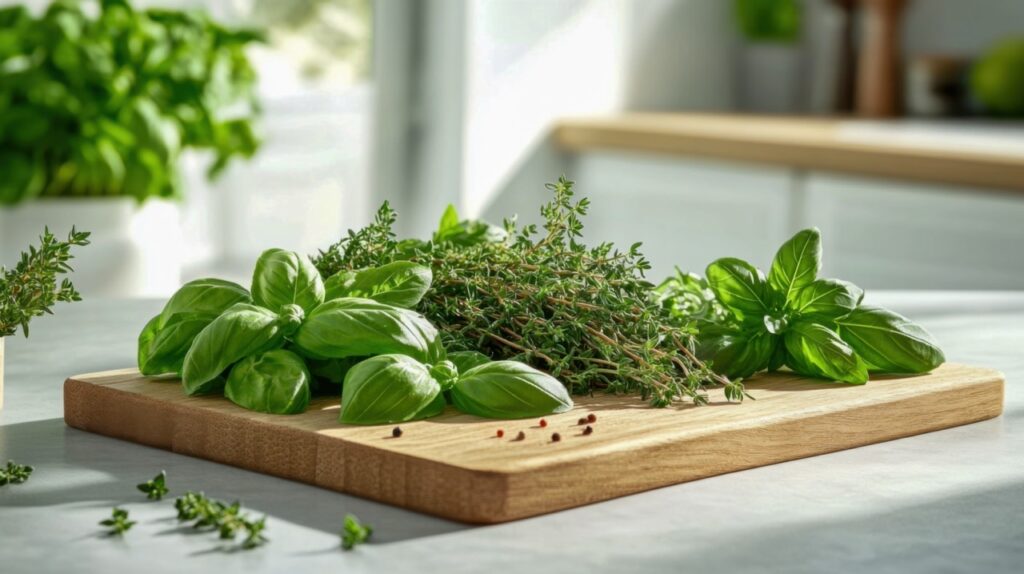
Growing your own herbs is one of the easiest, most rewarding ways to bring fresh flavour to your cooking while cutting down on plastic packaging and food miles. Plus, herbs are hardy, versatile, and can thrive in small spaces. Here’s how to get started with your own mini herb garden, perfect for beginners.
1. Choose Your Herbs
Start with herbs you’ll actually use in the kitchen and that suit your growing conditions. Here are some easy, beginner-friendly options:
- Basil – Perfect for salads, pasta, and homemade pesto. Best in sunny, warm spots.
- Mint – Great in teas, desserts, and cocktails. Prefers partial shade and moist soil.
- Rosemary – Wonderful with roasted veg and meats. Thrives in sunny spots and well-drained soil.
- Parsley – Ideal for garnishing. Tolerates a bit of shade, making it adaptable.
- Chives – A lovely addition to soups and salads. Needs a sunny location and well-drained soil.
- Thyme – Adds earthy flavour to soups and stews. Loves full sun and drier conditions.
2. Choose Your Growing Space
Herbs are incredibly flexible and can be grown in various setups, depending on the space you have:
- Window Sills: If you’re short on outdoor space, a sunny window ledge is perfect for herbs like basil, parsley, and chives.
- Containers & Pots: Choose well-draining pots for balconies or patios. Ensure each pot has drainage holes to prevent waterlogging.
- Garden Beds: If you have outdoor space, herbs can make attractive, useful additions to a vegetable or flower bed.
3. Start from Seed or Seedlings
You can grow herbs from seeds or buy ready-to-plant seedlings if you want faster results.
- Seeds: Cost-effective but require a bit of patience. Sow seeds in small pots or trays, cover lightly with soil, and keep them moist until they sprout.
- Seedlings: Easier for beginners and readily available at garden centres. Plant directly in pots or garden beds and water well.
4. Provide Proper Sunlight
Most herbs need around 6 hours of sunlight daily, so choose a sunny spot for your pots or garden bed.
- Indoors: South or west-facing windows work best. If your indoor space is a bit dark, consider a small grow light.
- Outdoors: Place your pots in a sunny spot or plant herbs where they’ll get ample sunlight.
5. Water Wisely
Herbs don’t usually need excessive watering; too much can even harm them.
- Soil Check: Feel the top inch of soil—if it’s dry, it’s time to water. Most herbs prefer slightly dry conditions between waterings.
- Drainage: Use pots with drainage holes, as waterlogged roots can lead to rot.
6. Prune Regularly
Frequent pruning helps herbs grow bushier and healthier.
- Harvest Smartly: Pinch back leaves just above a leaf node (where the leaves meet the stem) to encourage new growth.
- Avoid Over-Harvesting: Don’t harvest more than a third of the plant at once. Allow it time to regrow and stay healthy.
7. Fertilise Occasionally
Herbs don’t need heavy feeding, but a light fertiliser boost can help them thrive.
- Organic Fertiliser: Use a mild, organic fertiliser once every 4-6 weeks during the growing season.
- Compost: Add a small layer of compost to the soil surface for a natural nutrient boost.
8. Protect Against Pests
Herbs are relatively low-maintenance, but aphids, slugs, and snails can occasionally cause trouble.
- Natural Remedies: Try spraying with a mild soapy water solution or use a gentle blast of water to remove pests.
- Companion Planting: Plant pest-repellent herbs like rosemary or chives near other herbs to help keep bugs away naturally.
9. Bring Them Inside in Winter
For tender herbs like basil, which can’t handle frost, bring pots indoors during colder months.
- Winter Care: Place near a sunny window, and water sparingly as herbs grow slower in winter.
10. Enjoy Fresh Flavour Year-Round!
Harvest fresh herbs as needed and enjoy the convenience of having them right at your fingertips for cooking.
With your own herb garden, you’ll always have fresh, fragrant ingredients within reach, perfect for elevating your cooking while supporting sustainable living. Enjoy the process, and happy growing! 🌱🌿