
Transforming your kitchen into a zero-waste zone doesn’t need to be complicated. With a few easy swaps, you’ll reduce waste, save money, and create a more sustainable kitchen in no time. Here are some quick, effective zero-waste swaps to get you started.
1. Ditch Paper Towels for Reusable Cloths
Swap: Replace single-use paper towels with washable cloths or rags.
Why: They’re absorbent, long-lasting, and eliminate the need for disposables.
Extra Tip: Repurpose old t-shirts or towels as cleaning rags.
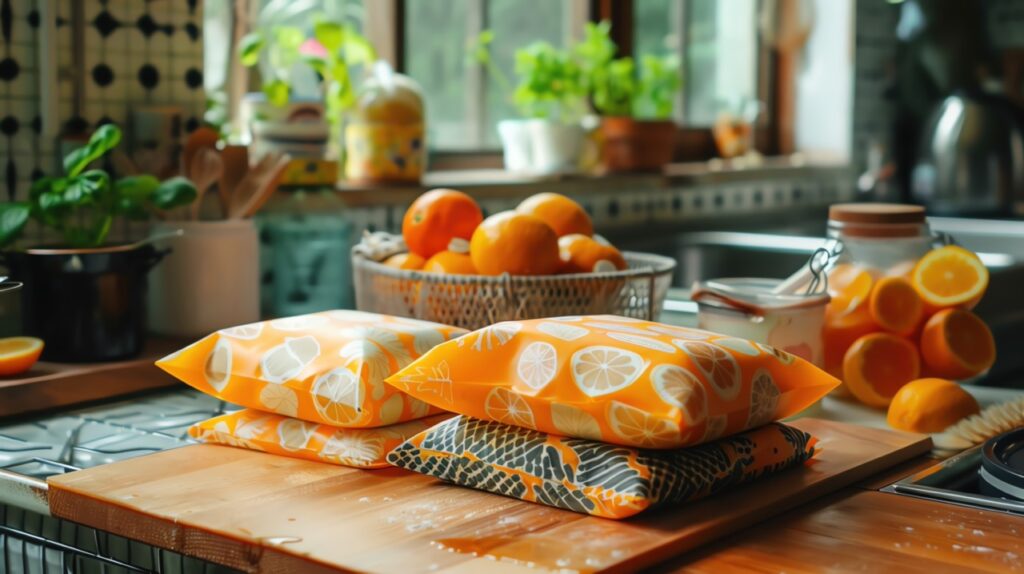
2. Switch Plastic Wrap for Beeswax Wraps
Swap: Use beeswax wraps to cover bowls or wrap food instead of cling film.
Why: Beeswax wraps are reusable, washable, and compostable when worn out.
DIY: Make your own wraps using cotton fabric and beeswax.
3. Use Glass Jars for Food Storage
Swap: Store leftovers, pantry items, and bulk foods in glass jars instead of plastic containers.
Why: Glass jars are sturdy, don’t absorb odours, and can be reused indefinitely.
Tip: Repurpose jars from sauces or jams to keep your kitchen organised.
4. Bring in Reusable Produce Bags
Swap: Take reusable mesh or cloth bags for produce instead of single-use plastic ones.
Why: Reusable bags reduce plastic waste and can be washed and reused.
Extra: Many bags are lightweight and compact, making them easy to carry.
5. Compost Food Scraps
Swap: Set up a small compost bin for kitchen scraps rather than tossing them in the bin.
Why: Composting diverts waste from landfills and turns scraps into nutrient-rich compost for your garden.
Mini Tip: If you don’t have a garden, look for local compost drop-off points.
6. Replace Plastic Sponges with Biodegradable Brushes
Swap: Use compostable kitchen brushes or sponges made from natural materials, like coconut fibre or loofah.
Why: Traditional sponges shed microplastics, while natural brushes break down easily.
Tip: Hang brushes to dry, extending their lifespan.
7. Try a Refillable Dish Soap Option
Swap: Use a solid dish soap bar or refill a glass bottle with bulk liquid soap.
Why: Reduces plastic waste and lasts longer than single-use plastic bottles.
Extra Tip: Look for dish soap bars with natural ingredients that are gentle on your hands.
8. Make Use of Cloth Napkins
Swap: Switch paper napkins for reusable cloth ones at meals.
Why: Cloth napkins are more durable and can be washed and reused.
Bonus: Choose colourful or patterned napkins to add a touch of style to your table.
9. Buy in Bulk When Possible
Swap: Purchase bulk items, like grains, nuts, and spices, in reusable containers.
Why: Bulk buying cuts down on packaging and often saves money.
Where: Many zero-waste or refill shops offer bulk goods; take your own containers!
10. Keep Reusable Cutlery and Containers on Hand
Swap: Carry a reusable cutlery set and container for takeaway or leftovers.
Why: Reduces the need for single-use plastic utensils and containers.
Travel Tip: Keep a set in your bag or car for spontaneous takeaway moments.
These quick swaps will help you cut down on waste and create a cleaner, greener kitchen in no time. Here’s to less waste and more sustainability! 🌍🍽️