
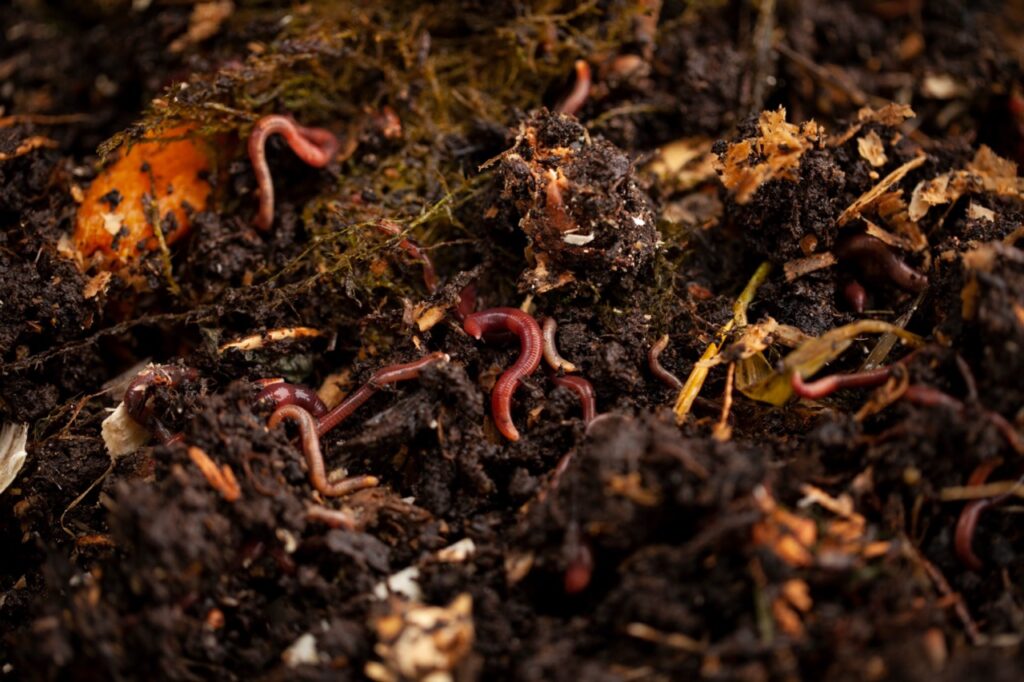
Worms are the powerhouses behind vermicomposting, breaking down food scraps into nutrient-rich compost for your plants. By getting to know the types of worms, what they like, and how to care for them, you’ll have a thriving worm bin that transforms waste into “black gold” for your garden. Here’s everything you need to know to meet and care for your compost worms.
1. Choosing the Right Worms
Not all worms are created equal when it comes to composting! Earthworms you’d find in your garden won’t thrive in a bin; you need specific composting worms.
- Red Wigglers (Eisenia fetida): The most common composting worm, red wigglers are hardy and efficient. They love warm, moist conditions and are perfect for breaking down food waste.
- European Nightcrawlers (Eisenia hortensis): These worms are slightly larger and burrow deeper. They’re great for composting and can also live in garden soil if you want dual-purpose worms.
Fun Fact: Red wigglers can eat up to half their weight in food scraps each day!
2. Setting Up the Perfect Worm Bin
Your worms need a comfortable home where they can eat, breed, and break down waste. A basic worm bin should provide food, moisture, and airflow.
- Container: A plastic or wooden bin with drainage holes at the bottom works well. Aim for a size that allows about 1,000 worms (around 500g) per cubic foot.
- Bedding: Start with moist bedding made from shredded newspaper, cardboard, or coco coir. Bedding helps keep the worms’ environment moist and comfortable.
- Moisture: Worms breathe through their skin, so keep the bedding as moist as a wrung-out sponge.
3. What Worms Love to Eat
Worms thrive on a variety of kitchen scraps but need a balanced diet for best results.
- Favourites: Fruit peels, veggie scraps, coffee grounds, and tea leaves are all worm-friendly.
- Bedding Snacks: Add a handful of crushed eggshells or calcium carbonate powder to keep their bedding pH balanced.
- Balance: Aim for a mix of 50% “greens” (e.g., fruit and veg) and 50% “browns” (e.g., paper, cardboard) to keep your worms healthy.
4. What to Avoid Feeding Your Worms
Some items aren’t suitable for worms and can lead to smells or an unbalanced bin.
- Avoid: Meat, dairy, oily foods, and processed or salty foods. These can create odours and attract pests.
- Acidic Foods: Limit citrus peels, onions, and garlic, as they can make the bin too acidic.
- Spicy Foods: Worms have sensitive skin, so spicy scraps like chilli peppers can irritate them.
5. Feeding Your Worms
Feed your worms a small amount at first and increase as they eat through their food.
- Small Portions: Start with a handful or two of food scraps every few days.
- Buried Scraps: Always bury food scraps in the bedding to avoid fruit flies and odours.
- Frequency: Feed every few days or as the previous scraps break down. Avoid overfeeding; worms will eat less if they’re stressed.
6. Monitor Moisture Levels
Worms need a moist environment but not a waterlogged one.
- Moisture Check: The bedding should feel like a damp sponge. If it’s too dry, add water; if it’s too wet, add more shredded paper or cardboard.
- Drainage: If the bin has excess liquid, known as “worm tea,” drain it and use it to water your plants—it’s packed with nutrients.
7. Harvesting the Worm Compost
After about 3-6 months, your worms will have produced dark, rich compost called worm castings.
- Harvesting Methods: To collect compost, move the bedding and worms to one side of the bin, add fresh bedding and food to the empty side, and wait a few days for the worms to migrate.
- Separate and Use: Collect the finished compost and add it to your garden beds, potted plants, or compost tea recipes.
8. Troubleshooting Common Worm Bin Issues
If something goes awry, here are some tips to get your bin back on track:
- Smelly Bin: Likely due to overfeeding or too much moisture. Reduce feedings, add dry bedding, and make sure the bin has airflow.
- Worms Escaping: Worms might leave the bin if it’s too acidic, too hot, or if there’s insufficient bedding. Check for comfort and adjust accordingly.
- Fruit Flies: Bury food scraps under bedding, avoid overfeeding, and cover the top with damp newspaper to deter flies.
9. The Benefits of Worm Compost
Worm compost, or “black gold,” is an incredible natural fertiliser, rich in nutrients and beneficial microbes.
- Garden Use: Mix a handful into soil when planting or spread around the base of existing plants.
- Compost Tea: Steep a handful of worm castings in water for a natural liquid fertiliser.
- Mulch: Use castings as a mulch to retain soil moisture and nourish plants over time.
10. Enjoy Your Worm Composting Journey!
Composting with worms is a rewarding, eco-friendly way to recycle food waste, create high-quality compost, and connect with nature’s recycling experts. Happy worm composting!
With your worms hard at work, you’ll transform food scraps into nutrient-rich compost, reducing waste and giving back to the soil. Let your worms work their magic! 🪱🌍