
Making small changes to your daily routine can significantly reduce your energy usage, helping the environment and saving you money. Here are some simple, effective energy-saving habits to get you started.
1. Switch Off and Unplug
Turn off lights and appliances when not in use, and unplug devices to avoid standby power drain.
- Why: Appliances on standby mode still use energy (often called “phantom energy”).
- How-To: Unplug chargers, TVs, and other electronics or use a power strip to switch off multiple devices at once.
2. Use LED Bulbs
Swap out old incandescent or CFL bulbs for energy-efficient LEDs.
- Why: LED bulbs use up to 80% less energy and last much longer.
- Tip: Use warm-toned LEDs to create cosy lighting similar to incandescent bulbs.
3. Embrace Natural Light
Maximise daylight to reduce your need for artificial lighting.
- How-To: Open curtains and blinds during the day, and arrange furniture to make the most of natural light.
- Tip: Light-coloured walls and mirrors can help reflect sunlight, making rooms brighter.
4. Lower Your Thermostat by One Degree
Set your thermostat a degree or two lower in winter and higher in summer.
- Why: Each degree can save up to 10% on heating and cooling costs.
- Extra Tip: Use warm clothing and blankets indoors to stay comfortable without overusing heating.
5. Wash Clothes on a Cold Cycle
Washing in cold water reduces energy consumption and helps your clothes last longer.
- Why: About 90% of energy used in washing machines goes to heating water.
- Tip: Choose the “quick wash” or “eco” setting, and always wash full loads to maximise efficiency.
6. Air-Dry Clothes
Skip the tumble dryer and let clothes air-dry when possible.
- How-To: Use a drying rack or hang clothes on a clothesline.
- Indoor Drying: Place the rack near a window or in a ventilated area to speed up drying time.
7. Insulate Your Home
Prevent heat loss by insulating windows, doors, and walls.
- DIY Options: Use draft stoppers under doors and seal windows with weatherstripping.
- Bonus: Insulating curtains also help keep heat in during winter and cool air in during summer.
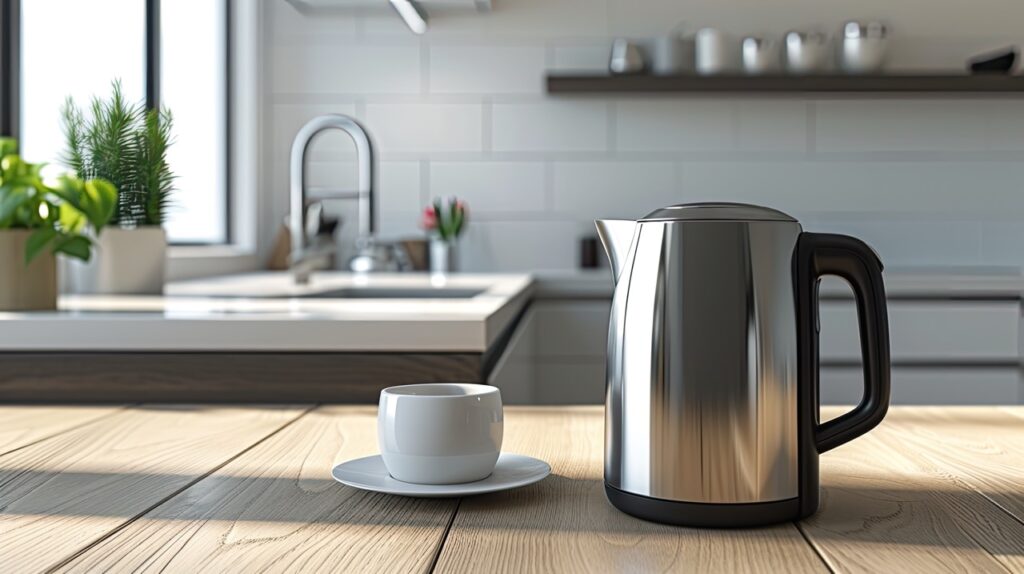
8. Use Your Kettle Efficiently
Only boil the amount of water you need, rather than filling the kettle.
- Why: Boiling only what you need saves energy and speeds up the process.
- Tip: Invest in an energy-efficient kettle, which boils faster and uses less power.
9. Cook with Lids on Pots and Pans
Covering pots and pans reduces cooking time and conserves heat.
- Why: Lids trap heat, allowing food to cook faster and reducing the need for higher temperatures.
- Energy Hack: Use a microwave or toaster oven for small meals—they use less energy than a conventional oven.
10. Turn Down Your Water Heater Temperature
Set your water heater to 120°F (49°C) for optimal energy savings.
- Why: Lowering the temperature reduces heating costs and prevents scalding.
- Tip: Use an insulated jacket for your water heater to retain heat and reduce reheating.
11. Take Shorter Showers
Limit shower time to save both water and the energy required to heat it.
- How-To: Aim for 5-10 minutes, and consider using a water-saving showerhead.
- Tip: Turning off water while soaping up or shampooing can save even more.
12. Adjust Your Fridge and Freezer Temperature
Set your fridge to 3–5°C and freezer to -15 to -18°C for optimal energy use.
- Why: Lowering the temperature unnecessarily increases energy use.
- Defrost Regularly: Keeping your freezer frost-free makes it more efficient.
13. Use Smart Technology
Consider smart plugs, thermostats, and energy-monitoring devices.
- Why: Smart devices allow you to schedule or control power usage remotely.
- Bonus: Many smart thermostats learn your habits and adjust automatically for maximum efficiency.
These energy-saving habits are simple to adopt and will help you create a more sustainable home with less energy waste. Here’s to a greener, lower-cost lifestyle! 🌍💡